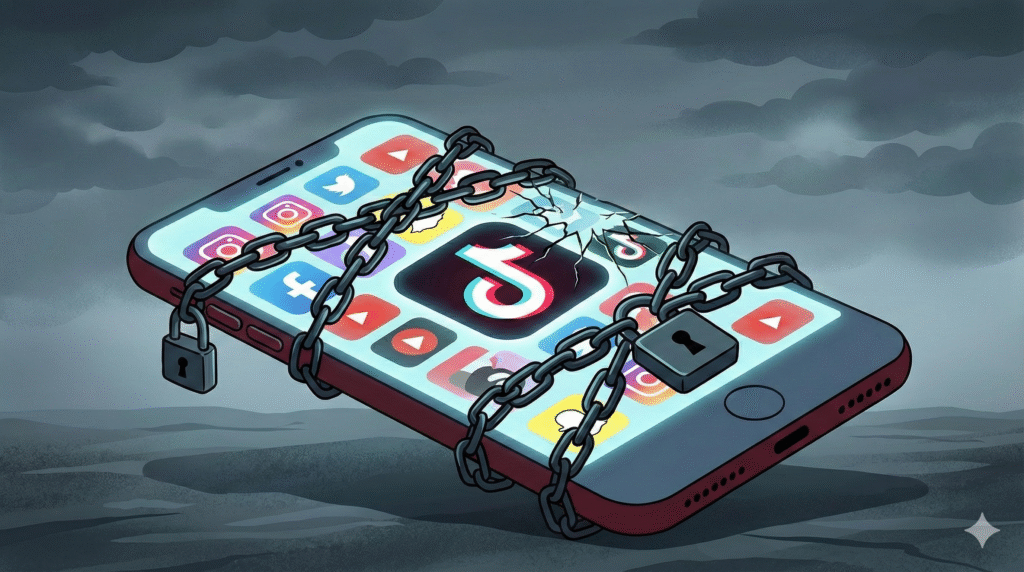
Law and Democracy Support Foundation condemns the severe crackdown imposed by Egyptian authorities on content creators across social media platforms, particularly TikTok, under the pretext of preserving “Egyptian family values” and combating cybercrime and harmful online content. This ongoing approach reflects the state’s insistence on playing the role of guardian over society by imposing broad moral censorship instead of respecting individuals’ right to freedom of expression and creativity.
Egypt has recently witnessed a new security and judicial campaign targeting several prominent content creators, who were arrested, referred to the Public Prosecution, and then tried on vague charges such as “spreading debauchery and immorality,” “harming family values,” and “misusing social media.” These charges have been systematically employed by authorities for years to restrict freedom of expression and block independent websites and rights platforms, relying on recently enacted laws such as the Anti-Cybercrime Law No. 175 of 2018, which criminalizes vaguely defined acts like “violating Egyptian family values.”
During November, Egypt witnessed a series of security crackdowns and judicial rulings against digital content creators, the latest of which was the ruling issued on 29 November 2025 by the Cairo Economic Court sentencing prominent video blogger Mohamed Abdel Aaty to two years in prison and a fine of EGP 100,000, and sentencing video blogger “Qamar El-Wekala” to six months with labor and a similar fine, with her phone confiscated.
On 28 November 2025, the six-month suspended sentence and EGP 100,000 fine against “Om Mekka” was upheld, coinciding with ongoing investigations in Alexandria against Bola Sakina on similar charges related to publishing indecent content. On 29 October 2025, Maryam Ayman (“Suzy El-Ordonia”) was sentenced to one year in prison and fined EGP 100,000 despite being acquitted of violating family values. On 13 September 2025, Marwa Yousry (“Ibnat Mubarak”) was sentenced to two years in prison. On 30 November 2025, investigators released bloggers “Sultangi” and “El-Ekilans” on bail of EGP 50,000 each after accusing them of questioning the safety of food products.
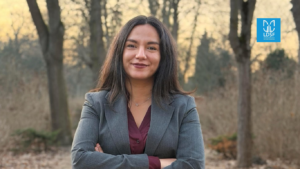
Karim Abdelrady, Executive Director of Law and Democracy Support Foundation, stated: “The authorities’ insistence on imposing guardianship over the people, treating them as incapable of distinguishing harmful from harmless content online, represents an authoritarian approach aimed at controlling collective consciousness and subjecting it to state dominance. These policies go beyond technical censorship; they seek to impose a single voice in the public sphere—the voice of the state or its president—in an attempt to eliminate any independent or critical discourse. President Abdel Fattah El-Sisi has expressed this orientation clearly on several occasions, urging Egyptians to listen only to him and ignore any other voice, reflecting the dangerous trend toward erasing intellectual and media pluralism, which is a cornerstone of any democratic society.”
Abdelrady added: “The targeting of content creators cannot be viewed in isolation from the entrenched hostility the Egyptian state harbors toward freedom of expression and creativity. The regime exercises near-total control over traditional media and artistic production platforms and continues its relentless efforts to dominate cyberspace, attempting to shut down any window for free debate or independent creativity. These policies are not random; they are a direct reflection of the state’s failure to address its economic crises and protect fundamental rights and freedoms. Instead of seeking real solutions to its internal problems, the authorities choose the easiest path: silencing voices, shrinking the public sphere, and controlling collective consciousness—threatening the foundations of pluralism and democracy in Egyptian society.”
These rulings represent a dangerous escalation in the use of the Economic Court and the Anti-Cybercrime Law as tools to restrict digital freedom of expression through vague provisions such as Article 25, which criminalizes “violating Egyptian family values” without a clear legal definition. This approach contradicts the principle of legality enshrined in Article 95 of the Egyptian Constitution and clashes with constitutional and international guarantees of freedom of expression, foremost among them Article 65 of the Egyptian Constitution and Article 19 of the International Covenant on Civil and Political Rights.
LDSF warns that the continued adoption of the “moral guardianship” narrative and its transformation into public policy reproduces repression against independent content creators and fosters an atmosphere of self-censorship and fear within society, instead of promoting intellectual and cultural pluralism—the essence of any democratic community.
LDSF calls for:
- The immediate release of all individuals detained for digital expression.
- A review of Article 25 of the Anti-Cybercrime Law to ensure its compliance with the Constitution and international treaties.
- An end to security and judicial prosecutions against content creators for their opinions or style of expression.