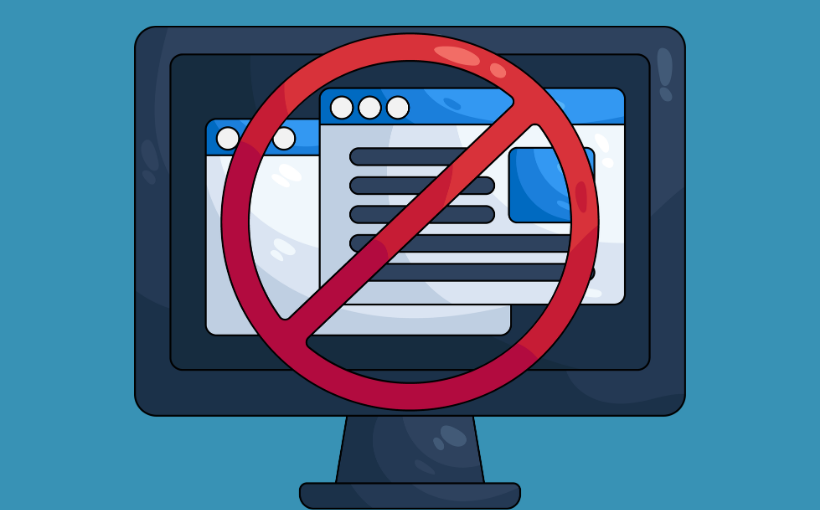
Law and Democracy Support Foundation (LDSF) expresses its strong condemnation of the decision issued by Egypt’s Economic and Money Laundering Prosecution on 19 May 2026 to block a number of opposition-linked personal accounts and channels on social media platforms and prevent access to them within Egypt, on the basis of vague allegations related to “publishing offensive content” and “disseminating hate speech.”
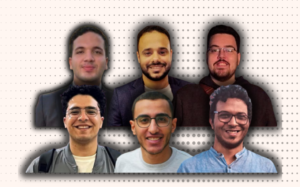
This decision, issued in Case No. 1038 of 2026, forms part of an escalating pattern of digital restrictions imposed by the Egyptian authorities, aimed at undermining freedom of expression and access to information. Its impact extends beyond national borders, as it targets 11 accounts belonging to journalists, media figures, and activists based abroad, including Osama Gaweesh, Amr Waked, Haitham Abou Khalil, Sherif Othman, and others.
This measure comes amid a marked escalation in transnational repression practices carried out by Egyptian authorities, whereby the state seeks to silence, punish, and exert control over dissenting and independent voices operating outside its territorial jurisdiction. It also reflects a long-standing pattern of systematic digital censorship within Egypt. Since President Abdel Fattah el-Sisi came to power, the authorities have pursued a broad policy of website blocking, targeting in particular independent media outlets, human rights organizations, and political platforms.
This policy reached a peak with the onset of widespread blocking campaigns in 2017, when dozens of news websites were blocked without any publicly disclosed legal basis. The scope of blocking has since expanded gradually to encompass hundreds of websites over subsequent years. Estimates indicate that more than 600 websites have been blocked, including dozens of independent journalistic platforms and human rights organizations’ websites, in addition to tools used to circumvent censorship, reflecting a comprehensive policy aimed at controlling the information space.
The decision relies onprovisions of the Anti-Cyber and Information Technology Crimes Law (Article 7), which grants authorities broad powers to block online content deemed to threaten “national security” or the “national economy.” These terms are vague and ill-defined, lacking the requirements of necessity and proportionality, and allowing for arbitrary interpretation. As such, they are utilized as tools to restrict legitimate peaceful expression rather than to protect public order. Furthermore, the absence of transparency regarding the legal reasoning underpinning the judicial decision referenced in the order deprives affected individuals and the public of essential oversight and accountability.
The Egyptian decision aligns with a growing regional pattern that extends beyond traditional website blocking to target personal social media accounts. Authorities in the Kingdom of Saudi Arabia and the United Arab Emirates have adopted similar measures to restrict access to human rights-related and opposition content through government requests for in-country content restriction (so-called “geo-blocking”). Access has been restricted to accounts belonging to independent human rights organizations, including ALQST for Human Rights and the Democracy for the Arab World Now (DAWN), as well as to accounts of academic and human rights figures such as Saudi researcher Abdullah Alaoudh and human rights defender Yahya Assiri, on platforms including Meta and X within Saudi Arabia and the UAE, in response to governmental requests. These restrictions have also affected other accounts linked to civil society and academic research in the region. The recurrence of such practices across multiple contexts indicates a systematic pattern of the transnationalization of digital repression, grounded in broad legal justifications and undermining corporate human rights commitments.
At their core, such measures depend on the compliance of platforms such as Facebook/Instagram (Meta), X (formerly Twitter), YouTube, TikTok, and Telegram. In this regard, LDSF underscores that corporate compliance with such requests risks rendering these companies complicit in human rights violations, as they may become instruments facilitating the implementation of transnational repression through their platforms.
Unconditional compliance with government requests, in the absence of thorough and consistent assessments aligned with international standards, is incompatible with the UN Guiding Principles on Business and Human Rights. This trend reflects the increasing use of private companies as indirect channels for implementing repressive policies, enabling states to extend control beyond their borders while minimizing accountability.
LDSF warns the Egyptian government and other governments in the Middle East against expanding the use of this emerging form of blocking to consolidate control and impose security dominance over spaces of expression, in violation of their international obligations and in a manner that poses a serious threat to freedom of opinion and expression.
The Foundation calls on companies to prioritize their human rights responsibilities and refrain from enabling repressive authorities to suppress dissenting views through the implementation of such requests. It further calls on the Egyptian authorities, as well as their counterparts in Saudi Arabia and the UAE, to cease policies of website blocking and the targeting of online expression, to lift restrictions imposed on websites and personal accounts, and to end practices of transnational repression.